
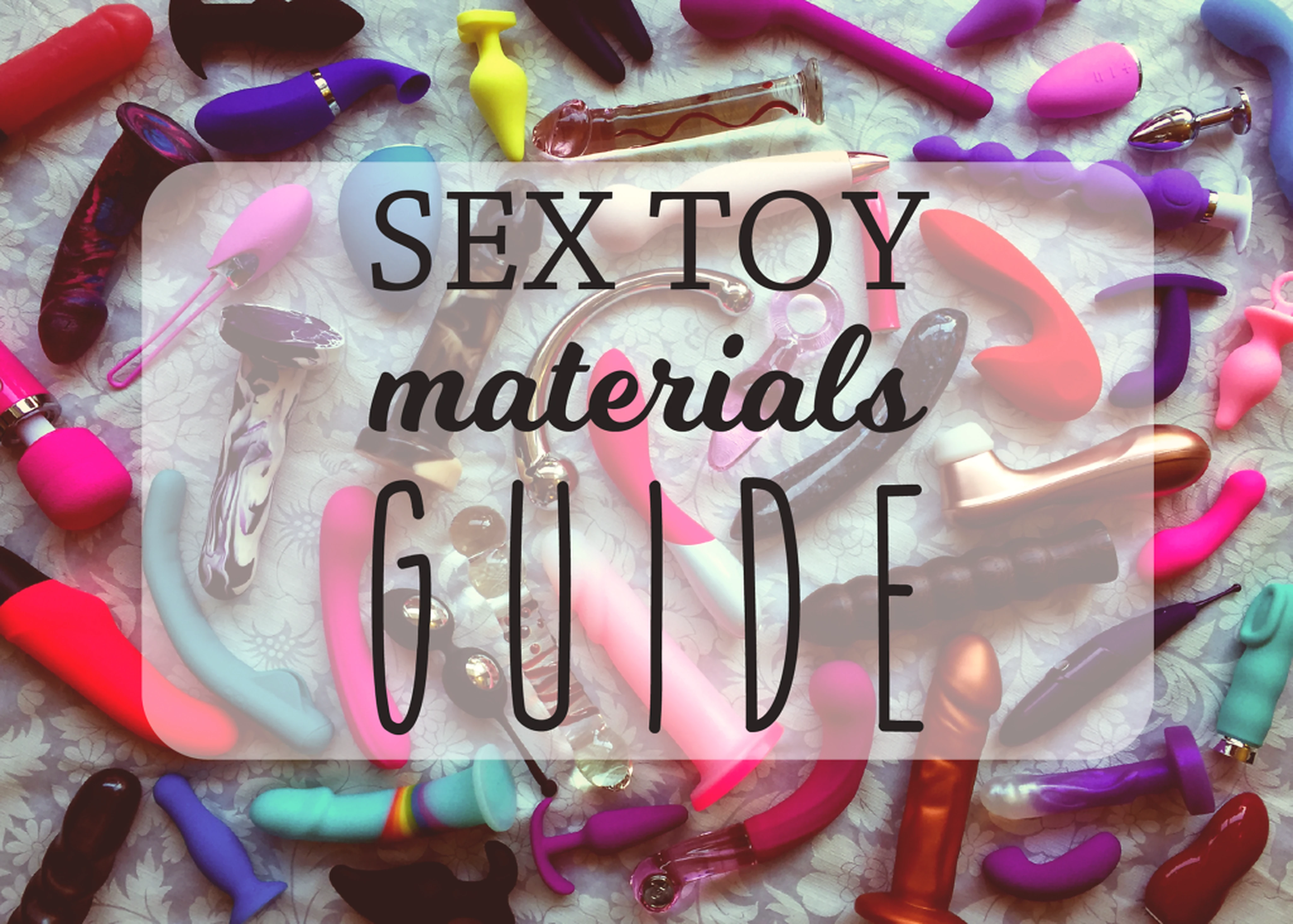
Sex Toy Materials 2026 What Is Actually Safe Right Now
You just got a new toy home and now you're wondering if it's safe to use. The industry stays mostly unregulated in the US. Sellers label almost anything as "body safe" with zero proof. That mismatch leaves people with irritation, infections, or worse after repeated use. You hold the toy in your hand right now and want straight answers on whether to keep it or toss it.
Phthalates remain the biggest ongoing issue. These plasticizers soften cheap materials but link to health concerns with long-term exposure. EU rules tightened chemical bans starting 2026, yet US enforcement stays limited. Check labels and test where possible before regular use.
The Materials That Are Actually Safe
Medical-grade platinum-cured silicone tops the list for most users. It stays non-porous so bacteria cannot hide inside. You boil it for 5-10 minutes or run it through the dishwasher on the top rack for full sterilization. Use only water-based lube because silicone lube breaks down the surface over time. Dual-density versions add a soft outer layer over a firm core for realistic feel without changing the safety profile. Brands like Blush and Tantus use this construction reliably.
Glass and stainless steel offer zero porosity and full compatibility with any lube type. Tempered glass handles temperature play safely and cleans completely with soap and water or boiling. Stainless steel feels heavy but never harbors bacteria. Discard glass if it chips. Both materials last years with basic care and work for anyone worried about hidden chemicals.
ABS hard plastic appears in many affordable vibrators. It contains no phthalates and cleans easily with soap. The hard surface limits deep texture but stays hygienic. These options suit beginners who want vibration without material worries. All three categories use body-safe formulations when reputable brands produce them.
Sex toys support sexual health when you choose non-porous options that clean completely between uses.
The Materials to Avoid or Handle Carefully
PVC, vinyl, and jelly rubber often contain phthalates to stay soft. These materials leach chemicals over time and stay porous enough for bacteria buildup. Avoid direct contact if possible. You can use them with a condom as a barrier for occasional play, but they degrade faster than better options. Many cheap toys still use these bases despite labeling claims.
Rubber toys cost little upfront but carry latex allergy risks and phthalate exposure. They react with other rubber items during storage and "melt" together. Clean carefully after each use and store separately. These work for very short-term external play at most. Replace them once they show oily residue or odor.
If you already own a jelly or PVC toy, you do not need to throw it out immediately. Use a condom as a barrier for every session to limit chemical and bacteria exposure. Watch for signs of degradation: oily residue on the surface, a strong chemical smell, or a sticky texture. When those appear, retire the toy. These materials break down faster with use and heat, so shorter lifespan is normal.
TPE and TPR The Grey Zone
TPE and TPR deliver the soft realistic feel in strokers and pocket pussies that Fleshlight and similar brands rely on. These thermoplastic elastomers stay phthalate-free in quality versions yet remain porous at the microscopic level. Bacteria and fluids trap inside no matter how well you wash. Dedicated single-user external toys with strict cleaning stay manageable for many people. Anything for penetration or sharing needs a condom every time or replacement with silicone.
Recent user reports on r/sextoys confirm the porosity concern persists into 2026. TPE has not become non-porous. It works fine for some with hygiene discipline. Skip it entirely if you want zero maintenance risk or share toys. Compare TPE versus silicone for your specific use case before buying.
How to Tell If Your Toy Is Actually Silicone
Amazon and AliExpress flood with fake "silicone" toys that use blends or coatings. The fingernail test presses into the surface. Real silicone feels dense and rebounds slowly without a sticky drag. The flame test holds a lighter to a hidden base spot for 3-5 seconds. True platinum silicone resists burning, self-extinguishes, and leaves white ash. Blends melt or produce black soot. Test only on cheap inconspicuous areas because it damages the spot.
Buy from established retailers or direct brand sites to avoid counterfeits. Look for platinum-cured or medical-grade claims backed by ISO or USP Class VI mentions. Reputable makers share third-party test results. Marketplaces known for fakes require extra verification before trust.
Cleaning by Material
Silicone toys handle boiling for exactly 5-10 minutes in plain water after washing with mild soap. Run them on the top rack of the dishwasher including the drying cycle for convenience, as the heat helps kill bacteria completely. UV sterilizer pouches kill surface bacteria after washing and drying but do not replace thorough soap cleaning. Toy cleaner sprays offer convenience with built-in disinfectants and pleasant scents, but plain mild soap and warm water work just as effectively for daily use if rinsed well. Always air dry completely before storage.
Glass and stainless steel clean the same way as silicone and tolerate boiling or dishwasher cycles without issue. ABS plastic vibrators must use only warm (not hot) water and mild soap because high temperatures warp or melt the material. Skip boiling and dishwashers entirely with ABS. TPE and TPR need immediate cleaning with soap and water right after use followed by thorough air drying. Rubber requires the same plus separate storage. UV pouches work best on non-porous materials only. Adult shop essentials include proper cleaners for your materials.
Lube Compatibility
Water-based lube works safely with every material on this list. Silicone lube on a silicone toy causes visible pitting, swelling, and a tacky sticky surface after just a few uses that gets worse over weeks. Oil-based lubes swell and degrade TPE within one or two sessions, making the material break down and smell bad quickly. Hybrid lubes from brands like Sliquid or Uberlube prove reliable for most non-porous toys and mix well with water-based options. If you accidentally used the wrong lube, wash the toy immediately with warm soapy water, let it dry fully, and inspect for damage. Toss silicone toys showing pitting and replace porous ones that swelled. Test new lubes on a small hidden area first. Dildos guide covers additional pairing details.
Is medical-grade silicone the only truly safe option?
No. Glass, stainless steel, and quality ABS also stay fully non-porous and hygienic with proper care.
Can I use a TPE stroker long term?
Yes if dedicated to one person, cleaned immediately after use, and dried completely. Many do this successfully with strict habits.
How do I know if my cheap Amazon toy contains phthalates?
Look for PVC, jelly, or strong plastic smell. Avoid squishy bending materials without clear silicone claims and reputable seller history.
Does dual-density silicone change safety?
No. Both layers use the same platinum-cured base so cleaning and lube rules stay identical to single-density silicone.
Can I boil every silicone toy?
Most solid silicone handles boiling fine. Skip motorized toys or those with electronics. Check manufacturer guidance first.
This guide helps anyone holding a new toy and questioning its safety or shopping smarter for 2026. Skip it if you only buy from premium brands with full transparency or already use only non-porous materials without issues.