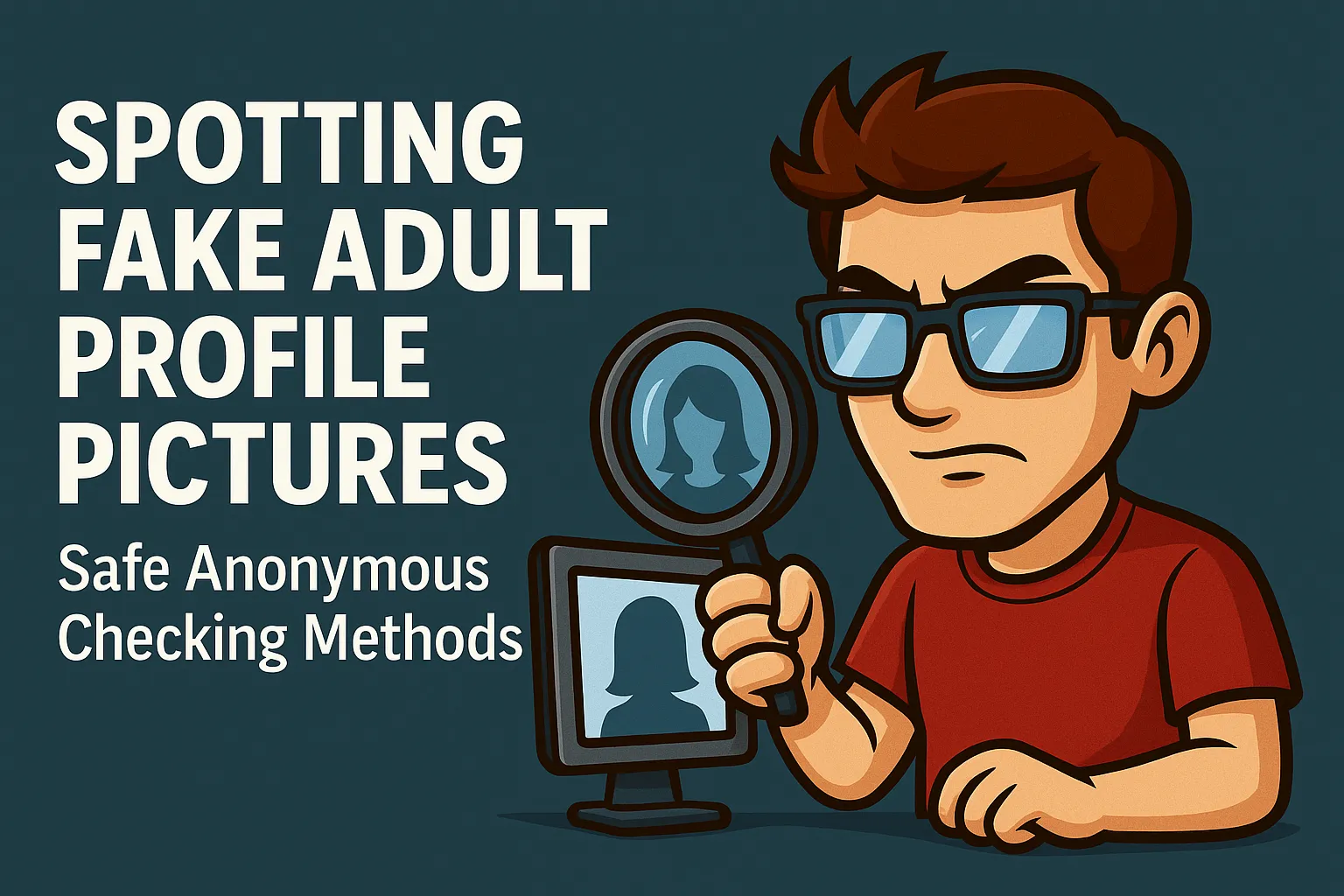
Meeting people online can carry risks, especially when profile photos might be fake or misleading. Many dating and escort ads use pictures that do not match the real person. Scammers use fake visuals to trick users across dating platforms. This puts user safety at risk and damages site reputations.Determining whether photos are genuine has become increasingly challenging as image manipulation technology advances. AI-powered detection techniques have made progress, but so have the tools for creating convincing fakes. Automated screening can significantly reduce fake profiles. Many individuals feel disappointed when meeting someone who looks nothing like their online photos. This issue affects adult-oriented services, where personal safety and honest representation matter most.Fortunately, several anonymous photo verification methods now exist that allow individuals to check images without compromising their own privacy. These tools can help identify stolen photos, detect digitally altered images, and verify whether a profile picture appears across multiple platforms under different names. All these are important signs of possible misrepresentation.
Why Fake Adult Profiles Are Increasingly Common
Fake or manipulated images remain a growing concern across adult dating and escort platforms. Reports and digital safety discussions frequently mention the prevalence of stolen and manipulated photos in online advertisements and profiles.Financial scams top the list, with fraudsters creating attractive profiles to lure victims into sending money. Catfishing, where someone pretends to be someone else entirely, remains common across adult platforms. Some individuals also use fake profiles for identity theft, collecting personal information from those they connect with online.Several warning signs can help identify potentially fake profiles. These include unusually perfect photos, inconsistent image quality, and pictures that look like stock photos. Backgrounds in photos often provide clues too, with generic hotel rooms being common in stolen images.The technology behind fake profiles has grown more advanced. Early fake images often relied on simple crops or filters, which left behind telltale distortions or obvious editing marks. Now, AI-generated images can create faces that never existed, making fictional people appear convincingly real.This creates a unique challenge. AI-generated photos rarely show visible artifacts or classic signs of manipulation such as mismatched lighting or inconsistent skin tones. Instead, algorithms blend details in ways that trick both human eyes and basic detection software.
Privacy Risks When Checking Adult Profile Pictures
When verifying adult profile pictures, many people turn to standard reverse image search tools without realising the privacy impact. These services typically collect extensive data during searches, creating possible risks for users.Popular platforms such as Google Images and TinEye collect uploaded photos, IP addresses, and logs of every search conducted. Their privacy statements confirm retention of this information for months or longer. Sometimes they store it as part of user analytics or platform security.Uploaded images on Google can be temporarily cached, and TinEye maintains logs to improve detection algorithms. If someone checks an adult-related photo through these channels, this activity can link back to their device or account. This forms a digital record of what was searched, when, and from where.
Anonymous Methods to Verify Adult Profile Pictures
Several privacy-preserving image search options exist that can help verify adult profile pictures without risking personal information. These tools allow individuals to check if photos appear elsewhere online without creating a traceable digital footprint.Some platforms state that they delete uploaded images after each search session rather than storing them long-term. This approach is designed to enable face matching and comparison with existing photos online, while minimizing the risk of leaving a persistent record or exposing search behaviour.Individuals can check profiles using realistic, real-world privacy standards. These have been specifically created for use in sensitive situations such as adult and escort profile verification. For best results, private browsing windows should be used when accessing a privacy-focused image search service.
Step-by-Step Anonymous Verification Process
Proper image preparation includes cropping the photo so the face becomes the primary focus. This method tends to improve the accuracy of search and matching processes. Borders, text overlays, or watermarks also should be removed if present. These elements can obstruct analytical systems.Anonymous features designed to protect user identity include platforms that forgo account creation requirements. Look for services that clearly state in privacy policies that uploaded images are not stored. Some services offer temporary links, making search results accessible only for a short period.Reviewing search results requires careful attention. Individuals should look for exact matches across multiple sites, especially if the same image appears with different names. Checking the dates of the earliest appearances often indicates the original source. If the goal is to find verified companions online, selecting platforms that highlight their anonymous approach is helpful.Completing a verification process on shared or personal devices can leave traces of activity in the browser's cache, cookies, and browsing history. Erasing these traces after use minimises lingering records of sensitive searches. This reduces the risk of exposing verification actions to others.
Telltale Signs of Fake Adult Profile Images
Visual inconsistencies often reveal manipulated images. Individuals should check for unnatural skin textures, oddly perfect complexions, or areas where lighting doesn't match across the photo. AI-generated images typically show subtle flaws around eyes, teeth, and hair.Background analysis can help identify stolen images. Professional photos often have studio lighting or perfectly arranged settings. Location inconsistencies across multiple photos in the same profile can indicate fake content.Profiles that seem too perfect should prompt scepticism. Real people typically have some variation in photo quality and casual snapshots. Profiles featuring only flawless, professional-quality photos often use stolen content from models.Noticing patterns across suspicious profiles can reveal coordinated scams. Multiple profiles using similar language but different photos may indicate fraud networks. Different profiles using variations of the same photos often suggest the same problem.Effective quick checks for fake images begin with a careful visual scan for mismatched lighting throughout the image. Look for blurry regions near facial features. Skin appearing perfectly smooth and poreless should raise doubts, especially with inconsistent backgrounds.
What To Do When You Discover Fake Profiles
After finding a fake profile, reporting it to the platform immediately helps protect others. Most adult websites and escort services have dedicated reporting systems accessible through profile pages or help sections. Providing specific details about the suspected fake elements improves the effectiveness of these reports.For personal protection, individuals should immediately cease communication with suspected fake profiles. Saving screenshots of suspicious conversations and profile images can provide evidence if needed later. Never share personal information, financial details, or intimate photos with profiles that show warning signs.Warning signs of scam progression include requests for money, gift cards, or cryptocurrency transfers. Urgent financial emergencies, offers too good to be true, and reluctance to video chat are additional red flags. These should prompt immediate disengagement.Several online communities share information about known fake profiles on adult platforms. These include dedicated subreddits, escort review forums, and scam alert websites. These community resources help make group awareness about common scams.
Quick Verification Checklist for Spotting Fake Adult Profiles
When examining a suspicious profile, check for image inconsistencies such as different lighting conditions across photos or unnatural skin textures. Run the profile image through a privacy-focused reverse image search to see if it appears elsewhere under different names.Examine the profile creation date and activity patterns. New accounts with extensive photos but limited platform engagement can sometimes indicate fake profiles. Review the language used in profile descriptions, looking for generic text that could apply to anyone.Request additional verification through platform-specific methods like video calls before meeting in person. Trust instincts when something feels wrong about profile details or communication patterns. Keep in mind that real profiles typically show consistent identity markers across all shared content.
Comparison of Real vs. AI-Generated Facial Features
Real faces display natural asymmetry, with features like slightly uneven eyebrows, different sized nostrils, or an unbalanced jawline. AI-generated faces often appear unnaturally symmetrical, with perfectly balanced features that rarely occur in nature.The eyes in authentic photos contain detailed reflections, varied colouration, and natural imperfections. AI-generated eyes frequently lack depth, show uniform reflections, or contain subtle geometric flaws in pupil shape and positioning.Natural hair in genuine photos shows individual strands, inconsistent textures, and realistic interaction with light. AI-created hair often appears as uniform masses with unusual texture patterns. This is especially visible around the hairline where algorithms struggle with fine details.Teeth in real photos display natural variations in alignment, subtle colour differences, and realistic spacing. AI-generated teeth commonly appear as uniform white blocks. They lack the natural imperfections and slight colouration variations present in genuine smiles.