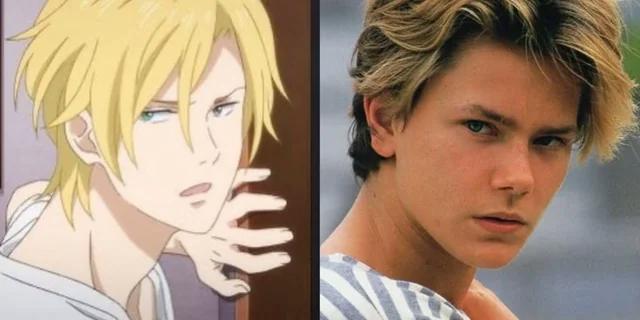
There was a time when being online meant showing your face. Your real one. A profile picture taken on a phone, a name you couldn’t really take back, and a version of yourself that stayed frozen long after you’d changed. For a while, that felt normal. Expected, even.It doesn’t anymore.More people are quietly stepping away from real photos and choosing fictional characters instead. Not because they’re hiding, but because fictional identities give them something real profiles never quite did. Space.
Real Faces Invite Judgment Before Conversation
Putting your real face online feels a bit like walking into a room where everyone is already forming opinions. How you look. How old you seem. How well you fit whatever unspoken standard happens to be floating around that day.Some people can brush that off. Others can’t. And even for those who can, it gets tiring.A fictional character changes the tone immediately. There’s nothing to measure it against. No assumptions about background, gender, or lifestyle. People don’t decide who you are before you speak. They have to engage first.That shift alone makes online interaction feel lighter.
Fiction Keeps Identity Loose
Real profiles tend to lock people into a version of themselves. Same face. Same vibe. Same expectations. Fiction doesn’t do that.A character can change. It can look sharper one week, softer the next. Colors shift. Expressions evolve. Sometimes the whole personality feels different. No explanation required.For people who are still figuring themselves out, that freedom matters. It removes the pressure to “decide” who you are before you’re ready. You can try things on, drop them, come back later, and no one treats it like a contradiction.
Imagination Carries More Meaning Than Accuracy
A photograph is limited. It shows what exists. A fictional character shows what someone chose.That difference is bigger than it sounds.When users design characters, they aren’t trying to look attractive by real-world rules. They’re choosing shapes, moods, details that reflect how they feel. Sometimes that means exaggeration. Sometimes softness. Sometimes something that doesn’t exist at all.Spaces shaped by fantasy-driven communities, including corners of the internet influenced by Ai Hentai, lean heavily into this. The goal isn’t realism. Its expression. Characters aren’t judged by how convincing they are, but by how much personality they carry.
Distance Makes Risk Feel Safer
There’s another reason fictional characters stick around. Distance.If someone ignores a real profile, it can feel personal. If they criticize a photo, it can linger longer than it should. Fiction softens that impact. A character can take the hit without the person behind it feeling exposed.That distance permits people to be bolder. To post ideas they might otherwise keep quiet. To explore interests or emotions without tying them directly to their offline lives.For many users, that buffer isn’t about fear. It’s about control.
The Way People Interact Changes
Communities built around fictional characters tend to feel different. Less competitive. More curious.Instead of comparing faces, people ask questions. Why that design? What does this detail mean? Where did this character come from?Originality gets more attention than polish. A strange choice is interesting, not embarrassing. A half-finished idea invites conversation instead of judgment.
Fiction Lowers the Barrier to Entry
Not everyone wants to be visible. Some care deeply about privacy. Others don’t like cameras. Some just don’t feel comfortable putting their body up for public consumption.Fiction removes those obstacles. You don’t need good lighting, confidence, or a certain look. You need an idea.That levels the field. People engage based on creativity, humor, or presence rather than how well they photograph. For many users, that’s the first time online spaces feel accessible instead of performative.
Why This Shift Isn’t Slowing Down
Online life keeps getting louder, more public, more permanent. As that happens, the desire for distance grows. Ai hentai offers a middle ground. You can be present without being exposed. Seen without being pinned down.For most users, choosing fiction isn’t about disappearing. It’s about deciding how much of themselves they want to give away.And for many, that choice feels more honest than a photograph ever did.